Entertainment
Wole Soyinka Condemns NBC Over Eedris Abdulkareem’s Song Ban


By Monday Reuben – Abuja
DAILY COURIER – Renowned playwright and Nobel Laureate, Professor Wole Soyinka, has come out strongly against the National Broadcasting Commission (NBC) for banning a protest song by veteran Nigerian rapper, Eedris Abdulkareem, describing the move as a disturbing return to authoritarian censorship.
In a statement released Sunday, Soyinka warned that silencing dissent through bans and regulatory overreach poses a grave threat to Nigeria’s democratic values and the constitutional right to free expression.
Soyinka, never one to shy away from speaking truth to power, said he learned of the ban through a satirical cartoon sent to him, which he said aptly captured the absurdity of stifling artistic voices.
MORE STORIES: https://dailycourier.com.ng/palm-sunday-tragedy-russian-missile-strike-kills-31-in-ukraines-sumy/
“Courtesy of an artist operating in a different genre — the cartoon — who sent me his recent graphic comment on the event, I learnt recently of a return to the culture of censorship with the banning of the product of a music artist, Eedris Abdulkareem,” he wrote, in his characteristically poetic yet piercing tone.
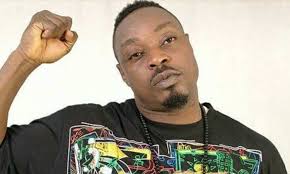
Edris AbdulKareem
While Soyinka admitted he had not personally listened to the banned song, which is said to be critical of President Bola Tinubu’s administration, he insisted that the issue is far bigger than the lyrics or even the artist. It’s about protecting a democracy’s soul.
“The issue transcends content. It concerns a fundamental democratic principle. It cannot be flouted. That, surely, is basic,” he declared.
With trademark irony, the 89-year-old literary icon mockingly suggested that the government should go even further with its censorship crusade. “It is not only the allegedly offensive record that should be banned — the musician himself should be proscribed,” he quipped. “Next, PMAN, or whatever musical association of which Abdulkareem is a member, should also go under the hammer.”
Censorship as Backfire
Soyinka, who lived through — and fiercely opposed — military-era crackdowns on speech and culture, said Nigeria had seen this cycle play out before. And it always ends the same way: with government censorship backfiring and only boosting the artist’s profile.
“Abdulkareem must be currently warbling his merry way all the way to the bank,” he noted wryly, alluding to the publicity and sympathy often generated by censorship attempts.
The literary legend stressed that instead of suppressing uncomfortable truths, Nigeria should embrace artistic critique as a necessary part of national growth. He warned that banning music, cartoons, films, or literature for political reasons is not only “boring” and “time-wasting” but deeply “subversive” of Nigeria’s democratic journey.
“We have been through this before, over and over again, ad nauseum,” he wrote. “We know where it all ends.”
The Bigger Picture
The NBC’s action has ignited debates across social media and artistic circles. Many see it as part of a growing trend of shrinking civic space under the Tinubu administration. Others argue that while criticism is welcome, it must not cross into “hate speech” or incitement — a line the commission claims Abdulkareem’s song may have violated.
https://dailycourierng.blogspot.com/2025/04/frsc-debunks-viral-ai-generated-video.html
But for Soyinka and many defenders of creative freedom, the right to speak out — whether through rap, satire, or protest — is non-negotiable.
And once again, it is the towering voice of Wole Soyinka — who decades ago challenged bullets and dictatorship with the power of words — reminding Nigerians that democracy is not a gift to be guarded by silence, but a right to be defended with speech.
As Nigeria continues to navigate its complex political landscape, the question remains: will its leaders choose to listen, or simply turn down the volume?





Tolu Bankole Mourns Former Ogun Lawmaker, Hon. Lukman Adiro

President’s Visit: Kebbi Commuters Hail Tinubu As Malando-Ngaski Road Cuts Travel Time By Half

UEFA Unanimously Backs Diallo To Oust Infantino In March 2027 FIFA Election

Top 25 Universities In Nigeria According To TIMES Ranking 2025

Nigeria Ranked Second In Africa for Catholic Population
