
Cover Page
Uproar As IMF Urges FG To Hike VAT, Introduce Telecom Tax

• “Nigerians already struggling with inflation, new taxes” – Don
• IMF insists cash transfers must protect poor
Tayo Busayo, Abuja
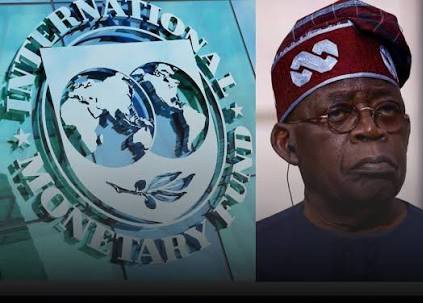
DAILY COURIER — The International Monetary Fund, IMF, has sparked nationwide debate after advising the Federal Government to raise Value Added Tax, VAT, and introduce excise duties on telecommunications services as part of fresh revenue measures to shore up Nigeria’s finances.
In its 2026 Article IV Consultation Report on Nigeria released Sunday, the IMF warned that despite recent tax reforms, additional revenue steps would “likely be required over the medium term” to fund social programmes and infrastructure.
The Fund said Nigeria must move beyond administrative improvements in tax collection to address its persistently low revenue-to-GDP ratio and mounting expenditure pressures. It recommended “increasing the VAT rate, extending VAT to fuel products, rationalising tax expenditures, particularly VAT exemptions on extractive industries and some customs duties, and introducing telecom excises”.
MORE STORIES: https://dailycourier.com.ng/insecurity-troops-kill-27-terrorists-amotekun-nabs-97-in-ondo-soldiers-pick-46-migrants-in-ogun/
While acknowledging that recently enacted tax reforms should improve collections over time, the IMF noted some measures are revenue-reducing in the short term and may take time to yield significant gains. It stressed that “continued revenue mobilisation is essential to creating fiscal space for development and social spending,” warning there is limited room to sustain projected capital expenditure without new revenue sources.
The Brentwood institution, however, urged caution on timing. It said any new tax hikes must consider worsening poverty and food insecurity, and must be paired with a “fully funded and effective cash transfer programme” to protect vulnerable households.
“The timing of reforms must consider the poverty and food insecurity situation and ensure that the cash transfer system is in place and funded,” the report stated.
The IMF projected that poverty and food insecurity could worsen amid high global fuel and food prices. It noted poverty already affected 63% of Nigerians while about 27 million faced food insecurity in 2025.
The Fund also called for a “neutral fiscal stance in 2026,” warning that spending pressures tied to poverty, food insecurity and preparations for the 2027 general elections could widen fiscal deficits and increase financing needs if not carefully managed.
Click on the link below to follow DAILY COURIER on WhatsApp: https://whatsapp.com/channel/0029VaAJv3FFnSz23aQ4Ab1M
Nigeria’s revenue challenge persists despite reforms such as fuel subsidy removal and efforts to improve tax administration. The VAT and telecom tax proposals are expected to trigger fresh pushback from citizens, businesses and labour groups already grappling with high cost of living.
Government officials are yet to formally respond to the IMF’s recommendations as reactions continue to trail the report across political and economic circles.









Tolu Bankole Mourns Former Ogun Lawmaker, Hon. Lukman Adiro

President’s Visit: Kebbi Commuters Hail Tinubu As Malando-Ngaski Road Cuts Travel Time By Half

UEFA Unanimously Backs Diallo To Oust Infantino In March 2027 FIFA Election

Top 25 Universities In Nigeria According To TIMES Ranking 2025

Nigeria Ranked Second In Africa for Catholic Population
