
National News
Darkness Looms: GenCos Threaten Shutdown Over N4 Trillion Unpaid Invoices

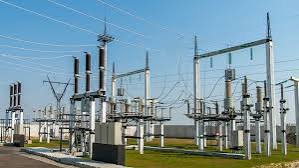
• 2024 Collection Rate Falls Below 30% as Power Plants Struggle to Stay Afloat
• Over N4 Trillion in Debts, Forex Scarcity, and Policy Bottlenecks Cripple Nigeria’s Power Backbone
• GenCos Warn: “Failure to Pay Will Trigger National Security and Economic Crisis”
• Waterfall Payment System Favors Regulators While Power Producers Receive as Low as 9% of Invoices
• Only N900 Billion Budgeted in 2025 Against N4 Trillion Debt—“Nowhere Near Enough”
By Seun Ibukun-Oni, Abuja
DAILY COURIER – Nigeria’s electricity generation sector is on the verge of collapse as the country’s power generation companies (GenCos) have raised a red flag over mounting unpaid invoices totalling more than N4 trillion, warning of an imminent nationwide power shutdown if urgent intervention fails to materialize.
In a sobering statement released over the weekend, the Association of Power Generation Companies (APGC) lamented the dire state of the power sector, saying the liquidity crisis has reached catastrophic levels and threatens not only the functionality of their plants but also national security and economic productivity.
“For over a decade, GenCos have operated under punishing conditions,” the release signed by Col. Sani Bello (Rtd.), Chairman, Board of Trustees of APGC, noted. “Despite system constraints and hostile policies, we’ve continued to generate electricity in good faith. But with over N4 trillion owed, declining payment rates, forex shortages, and discriminatory regulatory policies, our ability to continue operations is severely threatened.”
MORE STORIES: https://dailycourier.com.ng/cycle-of-religious-ethnic-killings-must-stop-tinubu-declares-after-fresh-plateau-tragedy/
Power Without Pay: The Core Crisis
The crux of the crisis lies in the massive unpaid bills. According to the APGC, N2 trillion is owed for electricity generated and consumed in 2024 alone, with an additional N1.9 trillion in legacy debt from past years. Yet, there is no comprehensive payment plan or financial instrument in place to resolve the backlog.
Meanwhile, the Federal Government’s 2025 budget allocation of N900 billion for the sector is “grossly inadequate,” APGC says, compared to the scale of debt and operational requirements. The association added that the current electricity market structure allows the power generated to be consumed fully without corresponding full payments—a situation that has become increasingly untenable.
Waterfall of Injustice: The Unfair Payment Order
The GenCos also condemned the “payment waterfall” policy introduced in May 2019, which they say deprioritizes payments to them while regulatory agencies like NERC, MO/NISO, and NBET receive 100% of their invoices upfront. What is left for the actual producers of power, in many cases, amounts to just 9–11% of their monthly invoices.
“This is a clear breach of the Power Purchase Agreements,” the statement read. “We are the bedrock of the power sector—the product is electricity, and we are its source. Yet, we are treated as afterthoughts when payments are made.”
Dollar Drain and Harsh Policies
The GenCos further highlighted the challenge of accessing foreign exchange, noting that most of their critical operation and maintenance components are dollarized. Without a dedicated FX window or stable allocation plan, sourcing the required resources becomes near impossible.
In addition, they decried mounting tax and regulatory burdens, including high corporate income tax, concession fees, royalty charges, and recent Financial Reporting Council (FRC) compliance obligations, which continue to squeeze their revenue margins.
Consequences Beyond the Grid
The impact of a shutdown would be far-reaching. From stalling economic activities to worsening insecurity and plunging millions of Nigerians into prolonged blackouts, a power generation halt would severely cripple the nation.
https://dailycourierng.blogspot.com/2025/04/nafdac-partners-cotecna-to-curb-influx.html
“The flow of money within the power industry is one of the fundamental problems preventing Nigerians from enjoying sustained improvement in electricity supply,” the statement emphasized. “If we can’t pay GenCos, there will be no electricity. If there’s no electricity, there will be no economy.”
A Plea for Urgent Intervention
To avoid total shutdown, GenCos are calling for the immediate implementation of a payment plan to clear all outstanding invoices. They are also demanding a revised payment structure that prioritizes GenCos, provision of guarantees backed by international partners like the World Bank or AFDB, and greater transparency and enforcement of market agreements.
“There’s a real danger ahead,” Col. Sani Bello warned. “We do not want to shut down. But we cannot generate power on empty promises and unpaid bills. This is no longer just a power sector issue—it’s a national emergency.”

A graphic layout to visualize the figures /Photo Credit: Daily Courier
Sidebar: By the Numbers
• N4 Trillion+ in total outstanding invoices
• N2 Trillion owed for 2024 alone
• <30% Collection rate in 2024
• Only 9–11% of invoices paid monthly to GenCos
• N900 Billion budgeted in 2025—over N3 Trillion short of actual debt
• 2013–2025: GenCos have operated under increasing fiscal, policy, and liquidity constraints




Tolu Bankole Mourns Former Ogun Lawmaker, Hon. Lukman Adiro

President’s Visit: Kebbi Commuters Hail Tinubu As Malando-Ngaski Road Cuts Travel Time By Half

UEFA Unanimously Backs Diallo To Oust Infantino In March 2027 FIFA Election

Top 25 Universities In Nigeria According To TIMES Ranking 2025

Nigeria Ranked Second In Africa for Catholic Population
