
Metro
Lagos Clarifies VIO Powers After Abuja Court Ruling

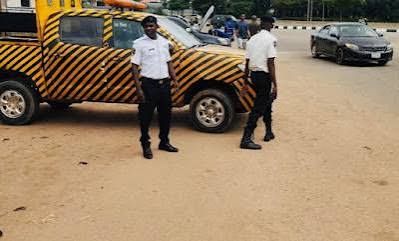
Paul Akomolehin, South West
DAILY COURIER — The Lagos State Government has firmly stated that a recent Court of Appeal judgment in Abuja, which restricted Vehicle Inspection Officers (VIOs) in the Federal Capital Territory (FCT) from stopping motorists, impounding vehicles, or imposing fines, does not apply to operations in Lagos or other states with enabling legislation.
In a statement released on Sunday by the Attorney-General and Commissioner for Justice, Lawal Pedro (SAN), the ministry addressed widespread viral claims and public reactions suggesting the ruling had nationwide effect. The government described such interpretations as misleading and inaccurate.
MORE STORIES: https://dailycourier.com.ng/us-freezes-assets-of-eight-nigerians-over-boko-haram-isil-and-cybercrime-links/
The Court of Appeal, Abuja Division, had upheld an earlier decision by the Federal High Court in Abuja. That lower court ruling declared that VIO officials operating in the FCT lacked statutory authority to carry out enforcement actions such as stopping vehicles on highways, seizing them, or levying fines on drivers. The appellate court affirmed this position, emphasizing the absence of any enabling law granting those powers specifically within the FCT jurisdiction.
The Lagos State Ministry of Justice clarified that the judgments are binding but limited in scope. They apply only to the parties involved in the suit and to jurisdictions like the FCT that lack specific statutes empowering VIO-like operations. The ministry stressed that Nigeria’s federal system allows states to legislate on residual matters, including traffic management and vehicle inspection.
In Lagos, the operations of the Vehicle Inspection Service (VIS) —the state’s equivalent to the VIO—are fully authorized under the Lagos State Transport Sector Reform Law. Section 12(1) of the law explicitly establishes the VIS and empowers it to inspect and regulate vehicle roadworthiness, conduct pre-registration checks, issue Road Worthiness Certificates, and collaborate with other agencies to enforce traffic rules and regulations.
The statement further explained that fines for violations are imposed through a structured process involving mobile courts or magistrate courts, ensuring judicial oversight and due process. This contrasts sharply with the situation in the FCT, where no equivalent state-level legislation exists to support such enforcement powers.
The government reiterated that VIS enforcement activities on Lagos roads remain lawful, constitutional, and in full compliance with state statutes. It urged motorists not to rely on misinterpretations of the Abuja ruling and to cooperate with authorized VIS officers during routine inspections or traffic enforcement.
Click on the link below to follow DAILY COURIER on WhatsApp: https://whatsapp.com/channel/0029VaAJv3FFnSz23aQ4Ab1M
The ministry issued a strong warning: any motorist who obstructs, disobeys, or assaults VIS personnel in the line of duty will face arrest and prosecution.
The clarification arrives amid ongoing national debate sparked by the Abuja judgments, which originated from a fundamental rights suit challenging perceived overreach and harassment by VIO officials. While the ruling has prompted some motorists in the FCT to question roadside enforcement practices, Lagos authorities maintain that their framework provides a clear legal basis for continued operations aimed at improving road safety and vehicle standards across the state.








APC Releases Names Of Ward, LGA Congress Screening Committees

Nigerian Troops Neutralize Terrorists In Ondo, Arrest Suspects In Benue Cattle Rustling

Lagos Clarifies VIO Powers After Abuja Court Ruling

Top 25 Universities In Nigeria According To TIMES Ranking 2025

Anglican Church of Nigeria Creates 15 New Dioceses, Elects Bishops
