
World
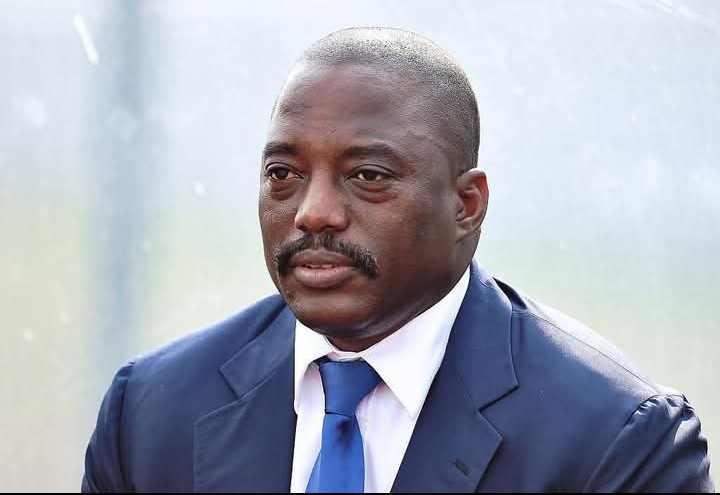
Kabila Sentenced To Death In Absentia By DR Congo Military Court

‘Seun Ibukun-Oni, Abuja
DAILY COURIER – A military court in Kinshasa, the Democratic Republic of Congo (DRC), has sentenced former President Joseph Kabila to death in absentia after convicting him of grave offences, including treason, war crimes, crimes against humanity, murder, sexual assault, torture, and leading an insurrection.
Kabila, who governed Africa’s second-largest country for nearly two decades before stepping down in 2019, has lived mostly in South Africa since late 2023. He briefly appeared in the rebel-controlled city of Goma in May 2025 but has avoided returning to Kinshasa. Prosecutors accused him of colluding with the Rwanda-backed M23 rebel movement, which captured several strategic towns in eastern Congo earlier this year.
The former president rejected all charges, describing the case as a political witch-hunt designed to weaken his remaining influence. The trial, which opened in July 2025, drew wide interest both at home and abroad. Critics argue that the prosecution reflects deepening political rivalries rather than an impartial search for justice.
MORE STORIES: https://dailycourier.com.ng/pdp-dissolves-akwa-ibom-exco-names-31-member-caretaker-committee/
Kabila’s conviction marks an unprecedented development in Congolese judicial history, but observers warn it risks widening political divisions. The country continues to face a fragile security situation, particularly in the mineral-rich eastern provinces where armed groups remain active.
Click on the link below to follow DAILY COURIER on WhatsApp👇 https://whatsapp.com/channel/0029VaAJv3FFnSz23aQ4Ab1M
President Félix Tshisekedi, who took office in 2019 following a disputed election, has struggled to consolidate peace and stability. Many Congolese still believe the controversial deal that facilitated Tshisekedi’s rise allowed Kabila to retain considerable behind-the-scenes power over the military and key state institutions.
While the court’s ruling may be seen as an effort to hold former leaders accountable, it underscores the volatile mix of politics, insecurity, and governance challenges confronting the DRC.



Tolu Bankole Mourns Former Ogun Lawmaker, Hon. Lukman Adiro

President’s Visit: Kebbi Commuters Hail Tinubu As Malando-Ngaski Road Cuts Travel Time By Half

UEFA Unanimously Backs Diallo To Oust Infantino In March 2027 FIFA Election

Top 25 Universities In Nigeria According To TIMES Ranking 2025

Nigeria Ranked Second In Africa for Catholic Population
